
Words by Thonter Adobo
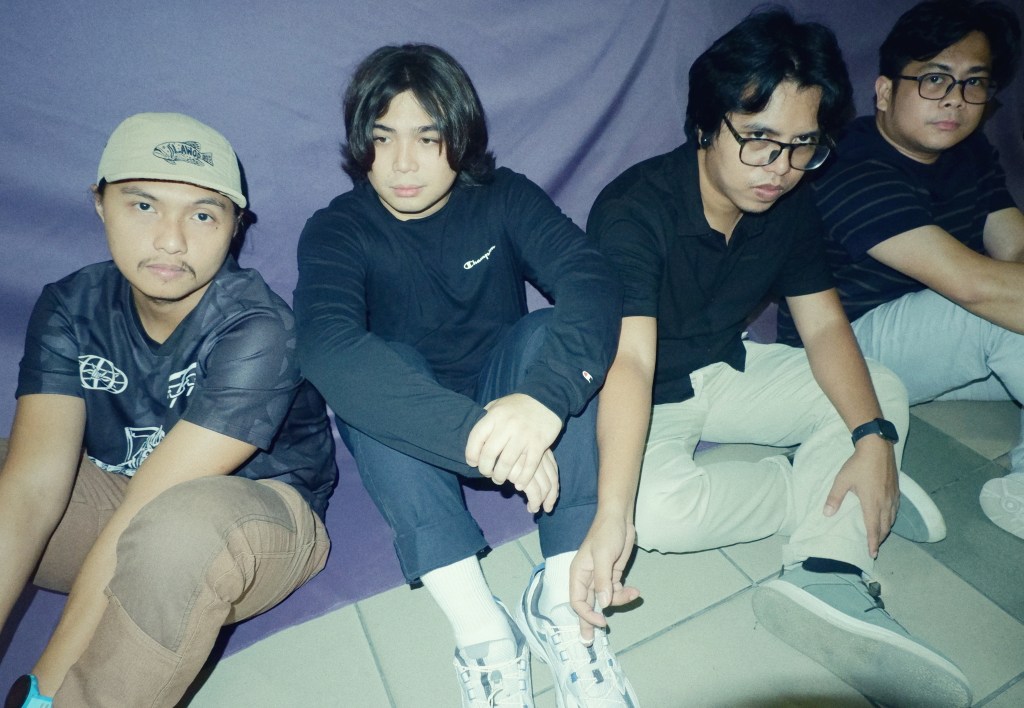
When doing a deep dive with the discography of Filipino indie band SOS (formerly known as She’s Only Sixteen), one of the tracks might stand out, especially to a young adult having a hard time navigating the world: “Just A Bit of Rain” from their 2020 EP The Other Side. The song features vocalist Roberto Seña singing about the woes of adulthood, like the struggle of keeping up with rent and the nearly impossible task of taking out a loan. That sense of maturity that shone through still bleeds through the band’s music, even on their sophomore album titled It Was A Moment. The album still features the signature SOS sound fans look for, but with an added sense of mileage within each track. They are no longer boys trying their hardest to be “pa-cool,” but men made wiser by the years that came by.

Along with the band’s growth in mindset, came another kind of growth with the addition of keyboard and synth player Ram Alonzo to the band. Alonzo shared that he is having a full circle moment with the band’s return to Cebu, as his origin was rooted from when the band last visited the city.
“We were at this rooftop bar. We both played shows separately. They had a show. I was playing for another artist. We were just hanging out, cause I’ve been playing for them and [they’ve been] my friends for the longest time. Seña, King, and Andrew, I met [them] in 2013 when we were still in college. They’re two years older than me. I used to session for them,” he detailed. Alonzo joining the band may be a late addition when looking at the band’s roughly 17-year long history but it also feels like a natural progression, occasionally showing up to the band’s studio as they’re working on new music to hang out with his long-time friends.
Ironically, every member of the band save for bassist Anjo Silvoza (who wasn’t present at the time) had their start being session players for the band. Seña invited Panopio to session when they were in need of a lead guitarist, Puentespina as a drummer when their previous one had to leave the country, and lastly, Seña took on the role of vocalist and rhythm guitarist due to some lineup changes on a much earlier iteration of SOS.
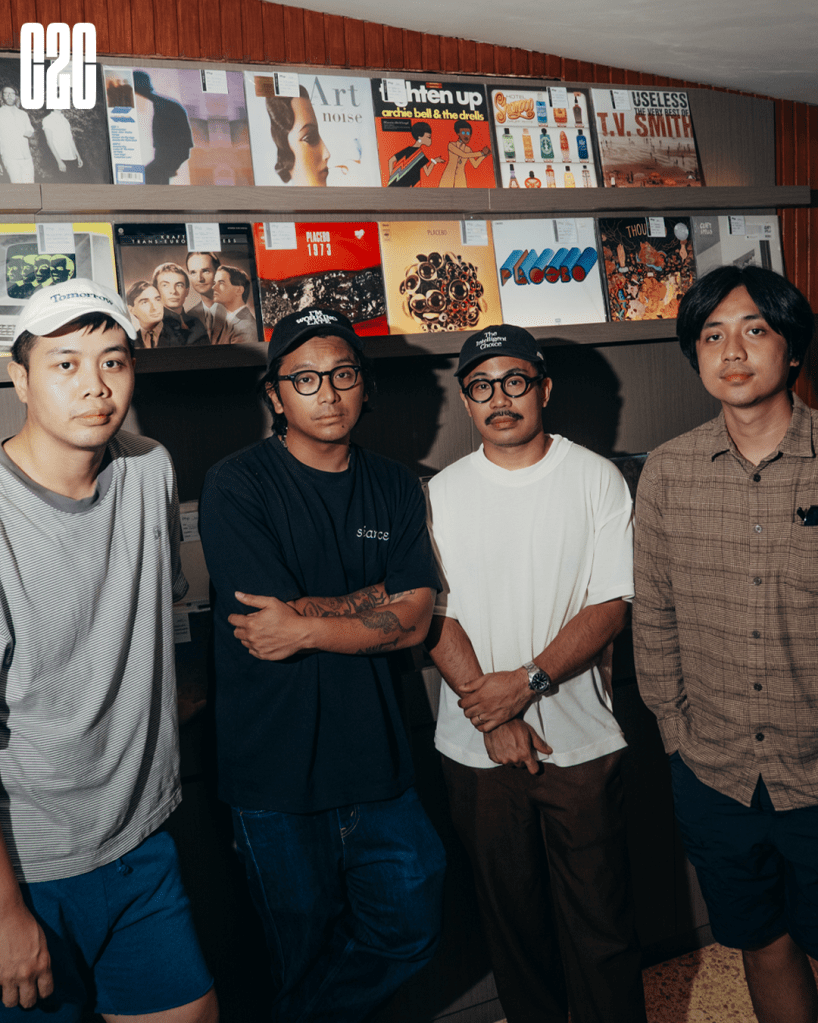

Eight years might seem like a long time between albums, but it gave SOS the opportunity to evolve with their sound and how they present it. Aside from their change in line-up, they’ve also shifted genres from record to record, and even languages with their first foray in the Filipino language on “Seryoso” and “Please Lang” off It Was A Moment.
With this album, everything is clearer to the band. The influences are more subtle, the direction more certain, and also donning a more confident production mindset to the studio. Drummer King Puentespina said, “We’re more equipped production-wise. Sonically, we knew where to go, versus before. We knew where to go before, but now, it’s just a lot more clear-cut.”
Guitarist Andrew Panopio also added that the main difference between their debut album “Whatever That Was” and their current record is that the former was made while the then-four piece was touring the bar circuit. Thus, each track was limited to what each member could realistically record and perform on stage at the time. However, they’ve let themselves loose on making “It Was A Moment,” treating each track like meals being prepared in a kitchen where they can then reduce some sauces, slow roast something, or make things halal, as Seña would quip.


Each member of the band had a hand in the kitchen, as one would say, with each of their solo projects lending a hand in what the album’s sound would be. Panopio recalled that one of the songs, the title track “It Was A Moment,” had a bridge reminiscent of Alonzo’s side project Aries along with elements of Puentespina’s solo project CRWN, before Seña jokingly inserted that it was his contribution, playfully flashing a fist at Panopio.
One more factor that differed between making the two albums was the band finally having their own studio space, freeing them from the restraint of limited studio sessions. “Before, the rates were hourly, if it’s an 8-hour day rental, you have eight hours to finish whatever you’re supposed to do that day. Ito, medyo, 12-hour recording days for two weeks straight, ano. Good time lang, ah (We had more or less 12-hour record days for two weeks straight. Just having a good time),” Seña explained.

Initially, the band didn’t want to make a cover art that referenced their debut album, having already planned out an entire cover art and photoshoot during their time in Okinawa while playing in Music Lane Festival in 2024. It was originally meant to be Alonzo jumping over a traffic cone (which they’d eventually use as cover art for one of their pre-album singles “Amore”) but then they opted out on it in favor of making a callback to what they dubbed the “SOS face,” fully leaning into that branding, giving fans a sense of familiarity despite their maturity through the years.
Seña, admitting that he ruined three months of planning that went to the initial cover, recalled that he once saw the “SOS face” again during designer Karen de la Fuente’s exhibit which featured the artwork. “In my head, after all these years since [Whatever That Was] we never treated it as a logo, but it might as well [be], our logo. One way or another we want to incorporate it, from now on at least, even in future releases.” He added.
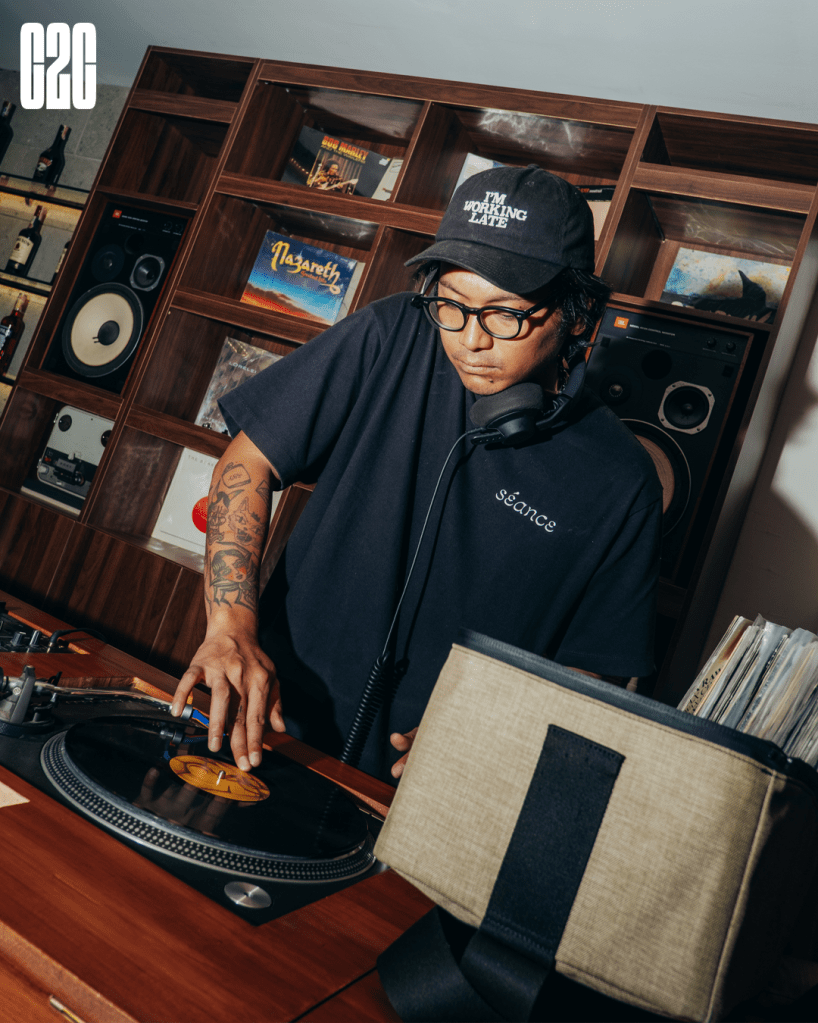
One more thing that differed this time around with the band’s second album is how they’ve taken charge when it comes to touring and promoting it not just in Metro Manila, but also to the rest of the country, having independently produced each stop with the help of Locked Down Entertainment.
The band’s album show at Cebu might be their first headlining gig in the city, but it wouldn’t be their first time performing here, as they have previously performed here for Wavy Baby Music Festival last 2023 and the Cebu Semi-Finals of Wanderland’s Wanderbattle last 2018. Mounting a headlining gig is completely different from getting invited to perform outside of the Metro. Seña lamented, “When you’re mounting your own show, you’re a little [bit] more worried if people are going or not.” He also added that there’s also another layer of pressure on whether or not people would go.
“I mean, it’s a long time coming for us. Like, we always wanna, like, visit places outside of Manila naman talaga (always). But [it’s] complicated. So, I’m excited to play, everyone’s warm here. Our hosts have been so nice.”
Between preparing for the show, radio guestings, and hosting their pre-show in partnership with local music collective CRADIO RADIO, the band also had the time to bask in Cebu’s cuisine. Seña said that him and Panopio had a “late night Anthony Bourdain” moment following their pre-show, trying out dishes like Larang at 4 am. On top of that, the band also delighted themselves with Cebuano lechon, along with Noy’s Yellow Chicken, which the band had for dinner after a radio guest appearance.

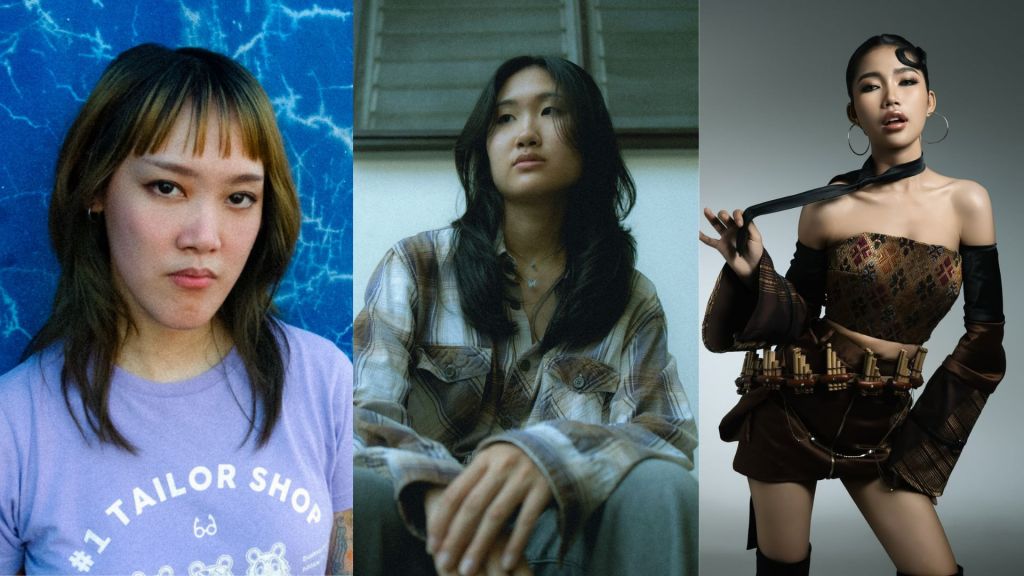
Aside from the local food, SOS also shared their thoughts on the local scene, having expressed their excitement for opening acts IIICCCYYY, Sansette, and The Sundown. Seña also noted that to them, the Cebu music scene is just as thriving as Manila’s. “I mean, the Cebu scene’s always been a busy scene. It’s just as busy as Manila, I think. That’s the struggle of making music in the Philippines as a whole. I’m pretty sure a lot of people from Dumaguete, Davao, Cebu, Bacolod, Baguio, everyone, the perspective is ‘move to Manila to make music.’ I don’t like that that’s a thing, I wish the cities cultivated them and [made] it from there without having to move. Because, like, Manila’s so overrated.” He said before adding, “I wish that changes in the next twenty years. It’s strong everywhere else, Manila’s not the epicenter of talent in the Philippines, it just so happens that a lot of the things happen there.”
Manila’s not the epicenter of talent in the Philippines, it just so happens that a lot of the things happen there.
Roberto Seña
Panopio added by saying that the better a city is at incubating its own talent, the better it would be for the scene. “I love when a band or an act makes it big in their scene, ‘cause you start getting curious. Like, oh, are there more acts like these from Baguio, from Cebu?”
Puentespina also noted that in the age of social media, bands have a higher chance of being seen and heard. Despite that, he also noted that supporting local acts by going to their shows, buying their tickets, and buying their merch, will still be just as important.
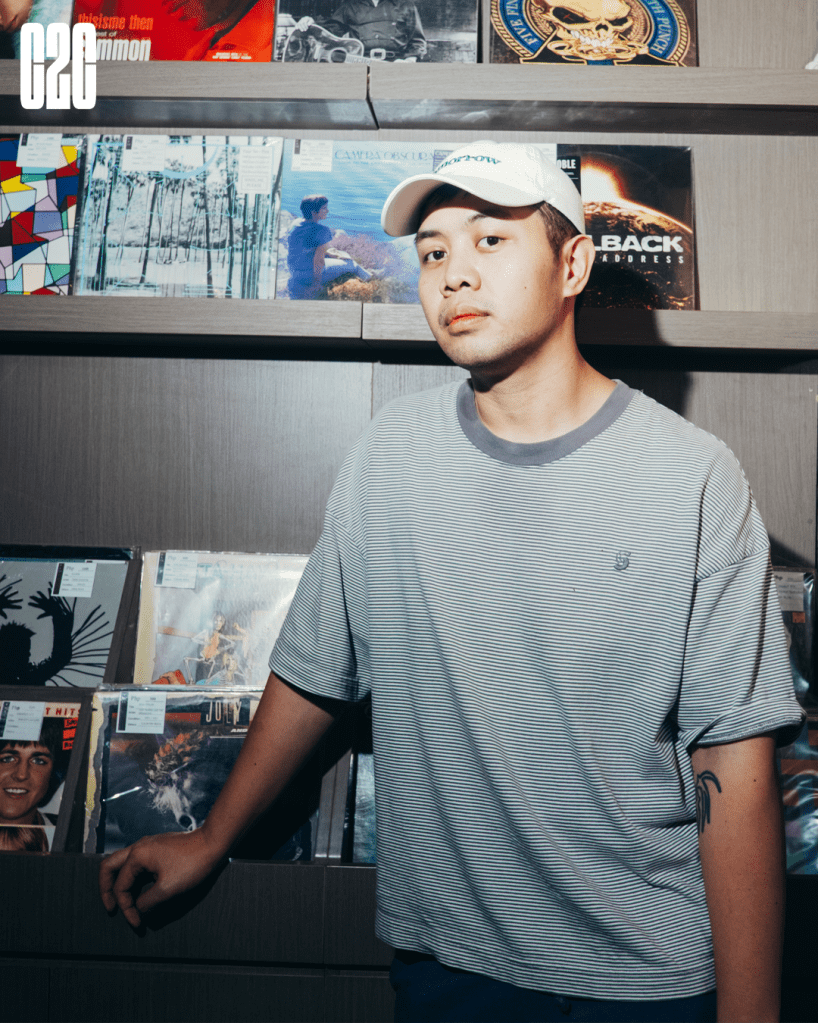
On the topic of live shows and venues, Seña then praised Unity Coffee & Vinyl, “Actually, not to suck the dick of this place, [but] this is the perfect gig venue for me in my head. This is how I draw up a perfect gig venue, yung separate yung stage sa bar or whatever is my food service. I’ve always said bars will survive if they could have regulars, you won’t have regulars if not everyone likes who’s playing that day. So imagine if the stage was downstairs and then like ‘Oh, I like going to Unity. Who’s playing tonight? Oh, I don’t like them, I’m not going to Unity.’ as opposed to, ‘I can go tonight without having to go there.’ A lot of places in, like, New York are like that. Walang ganon sa Manila right now, so this is a really good venue. When I saw how it was laid out just today, like, this is how I dreamed. If I ever had money to put up a place, I’d design it like this.”
What’s next for the band after It Was A Moment? It’s anybody’s guess at this point. However, whatever it might be, one thing’s for sure: they wanna keep on making more music. “I think the only thing I wish the band had more of is more songs, cause we have maybe like an album or two worth of songs that we just never released,” Panopio said.

Seña then added, “I actually just sent King an old demo that we were working on. It was one of the songs that didn’t make the album. I was going through my drafts on telegram, I listened to it and [was] like, ‘Uy, kaya pa to, eh.’ (We can still work with this).”
With more than a decade of experience on their belt, SOS has definitely had a lot to say and a lot to learn through the years. Who knows where they would go years from now. Wherever it may be, one thing is certain: they’re sticking around for more than a moment.
Story by Thonter Adobo. Creative direction by Kara Angan and Lorenz Torres. Art direction by Kara Angan. Photography by Lorenz Torres. Shot on location at Baihaus, Unity Coffee & Vinyl. Special thanks to Filla Killa, John Bottles Events, and Noy’s Yellow Chicken.

 coast2coast