Teako**’s latest album, playlife, starts off with a barrage of individual sounds — distorted glitches, a drum loop, arpeggiated synths — until it distills into his singular voice. His vocals on “lillianne,” the record’s opener, ties the seemingly disjointed audio elements into pop harmony.
It’s oxymoronic, I know, but that push and pull between borderline noise and popstar sensibilities is the core of the Cagayan de Oro-based artist’s project. It’s the reason that you can have tracks like “jill” (a one-minute jarring collection of shrill, metallic chops and nothing else) and “saki s,” an unapologetic electropop Bisaya song with Dijon-like drums and overpowering synth melodies.
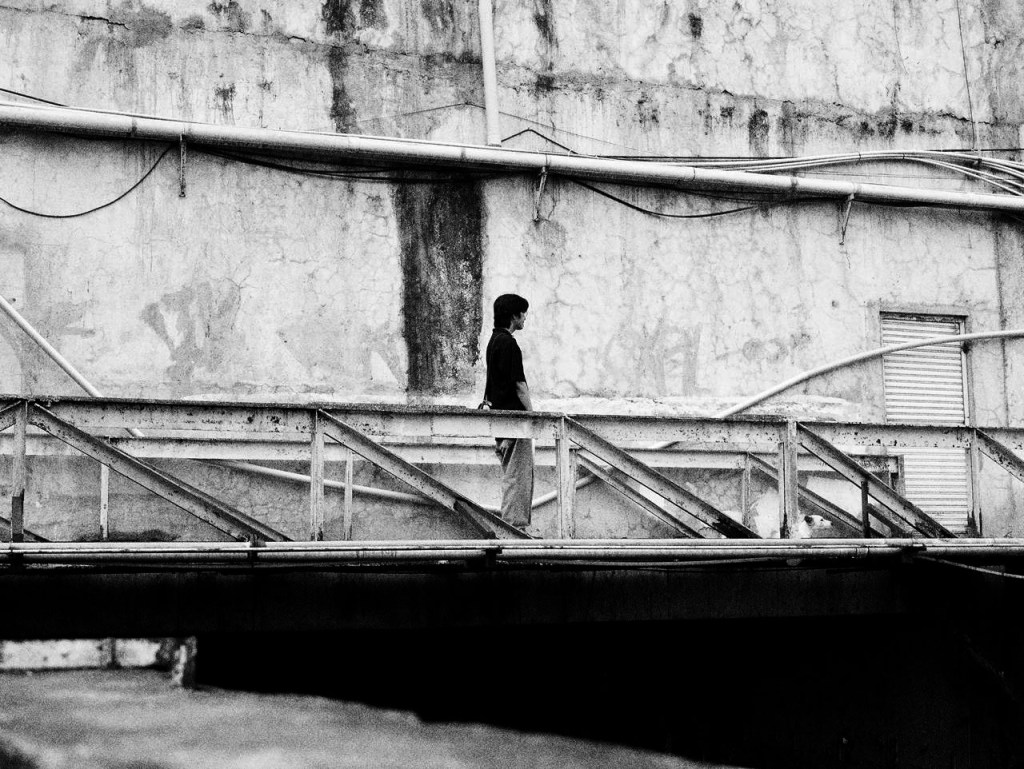
“[I feel like] a noisy soul with a heart of a popstar,” he shares to Coast2Coast. “I think in general I just like music, and I mean all of it. I pull from everything and anything, really. It changes for every project so for the sake of simplicity, I will narrow down the question to what I feel formed the sound of the current album I will put out.”
That hodgepodge of influences shines in the record: he mentions pulling influences from similar-veined artists like Jane Remover, but also acts like TWICE, Injury Reserve, and feeble little horse. However, in the year or so of making the album, he also turned to two other unlikely influences: wrestling and fashion. Specifically, Martin Margiela, the founder of fashion house, Maison Martin Margiela.
“It seems random but the way Martin thinks about clothes kind of spoke to me at the time with all the upcycling, making clothing out of a different clothing, trompe l’oeil, all white, [and the like,” he continues. “In wrestling, it was peak bloodline story era with Roman Reigns… It’s going to be too long to explain but the dynamics of what is fake and what is real and playing into those, I feel specifically about that. The music that I’m trying to make in this project was a lot of making it fake so much that it circles into authenticity.”
Perhaps one of the most potent tracks that showcases that tension between the fake and real is “halo,” the third track off the record. With a relatively stripped down instrumental, Teako** uses layered vocals and harmonies to juxtapose the life of a nepo-baby in the music industry and his vulnerabilities as a struggling artist weighing the pursuit of music and attending to the needs of everyday life.
Teako**’s vulnerability shines through the record, culminating in the 18-minute “elika.” It’s another one of the cuts on the album that fully plays throughout the whole spectrum of pop and noise, with a more somber overtone. “elika” feels like Teako** at his rawest, as he swings from bpm to bpm, starting with band-like drums to breakbeats, peppering the track with his signature glitches and microphone feedback. It’s haunting yet catchy at some points, and changing when you least expect it to.
“The process of making this album was personally conflicting to do, I really didn’t want to do music anymore (at that time,) which made the whole thing very grueling,” Teako** says, to close. “I gravitated towards making loud noises because of its harmful and aggressive nature. It perfectly encapsulates the feeling of being trapped and being suffocated in a sense.”
“I resonated with it, and as much as I would love to make the album all like that, I also knew most people wouldn’t really listen to that. Making it all pop and catchy through the noise was a move out of strategic spitefulness. I wanted people to keep listening and go through the noise because that’s what this all feels like to me.”
Listen to Teako**’s playlife below.
Photos by Noah Abrogar