Words by Dexter Sy
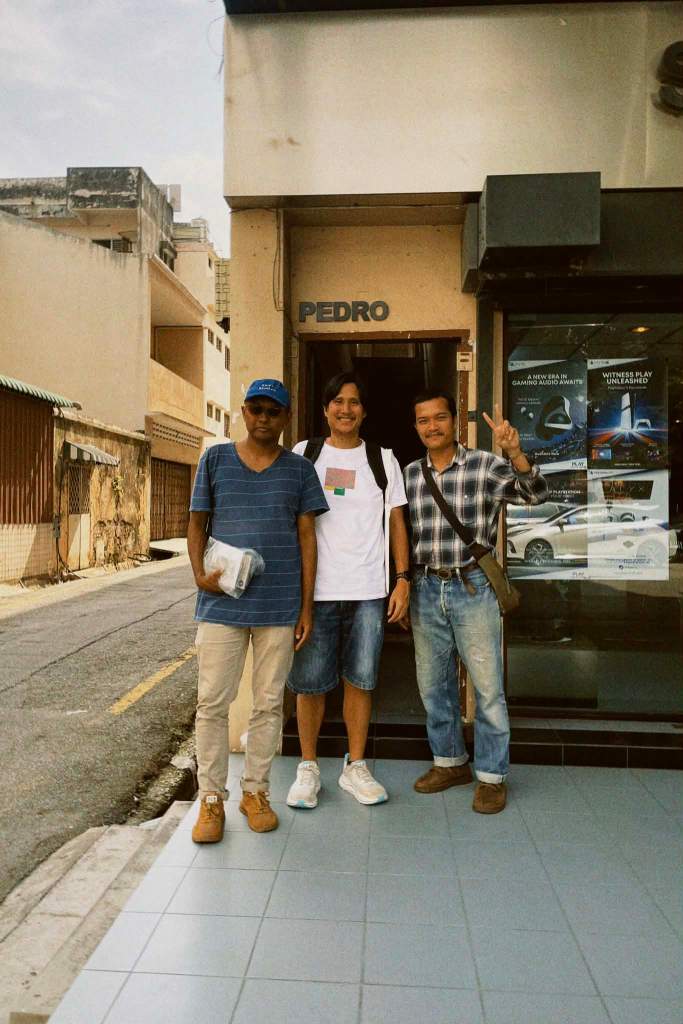
On the beam of the unassuming entrance to an old shophouse, the label “PEDRO” was scrawled almost inconspicuously. It stood beside a Sony audio store on the same ground floor, an interesting visual contrast between the city’s heritage and the inevitability of modernization. Through the door was a quiet stairway leading to the mezzanine, where the newest music venue in Ipoh, Malaysia had set up shop just two weeks prior.
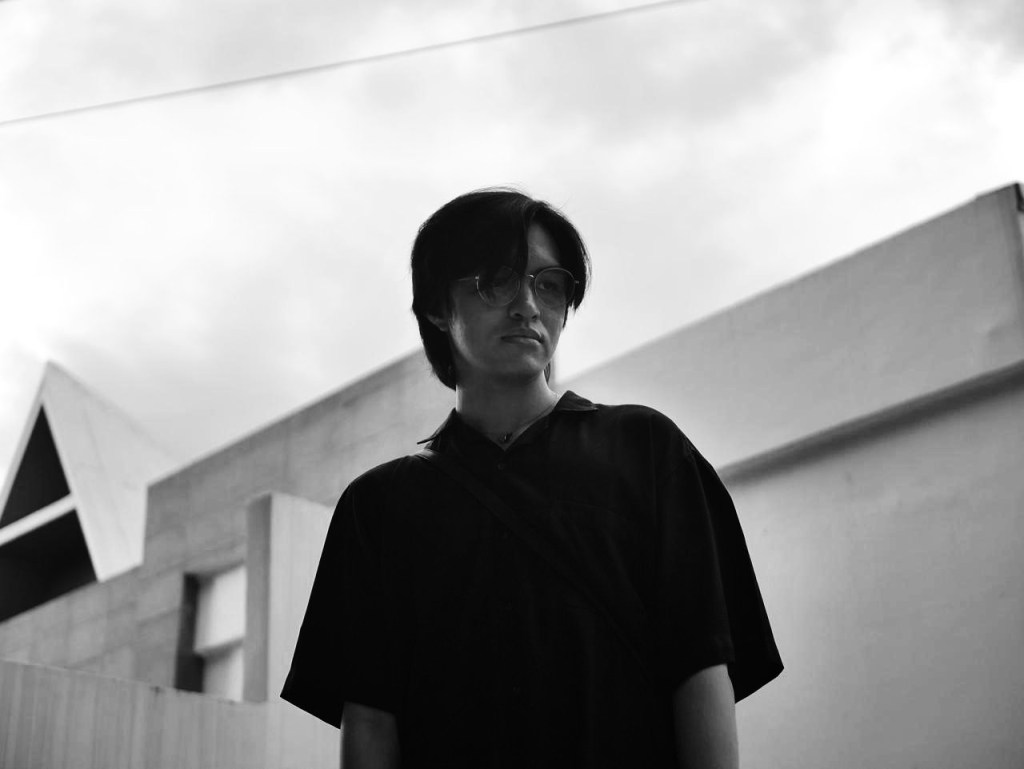
I met Mhod Jayzuan for the first time just a few minutes earlier and a few blocks away. A full-time artist, Jay, as he prefers to be called, dabbles not just in music but also in film and contemporary arts, particularly video and sound art. For this afternoon, he would be my guide to Ipoh’s modern music history. Driving with us to Pedro was another musician in the inner circle, Mohamad Amaruddin (Amar for short), who plays bass for S. Razali, a young artist who creates strikingly haunting oriental psychedelic music.
The owner of Pedro is Firdaus Malek, who goes by the nickname Pedot and is currently a member of the shoegaze band Soft. He has a prolific resume that includes metal and screamo bands, memorabilia of which were peppered throughout the venue. Pedro was closed at this time but I was warmly welcomed in for a chat. Pedot and I swapped vinyl records — a copy of Soft’s album Nostalgia for Turnpike’s Straight to the Domes of Your Heads, a literal exchange of culture in the form of wax.
Like the facade of the building, the venue was modestly set up. The first half that greeted us as we entered was a hangout spot with tables and chairs and a small shop that sold snacks and drinks. Another door led to the live space, a mostly empty room with a full backline and a PA system set up on a carpet that served as the stage. The room could easily fit at least a hundred people standing.
In contrast to how most music venues in the Philippines operate, the drinks sold at Pedro were all non-alcoholic, evidence that religious and cultural differences play a role in varying live music experiences. “Because we’re Muslim, this is a ‘free alcohol, free drugs’ venue,” he said with what looked to me like a knowing grin. When I asked if he meant “alcohol-free and drug-free,” he laughed it off without a definite response.
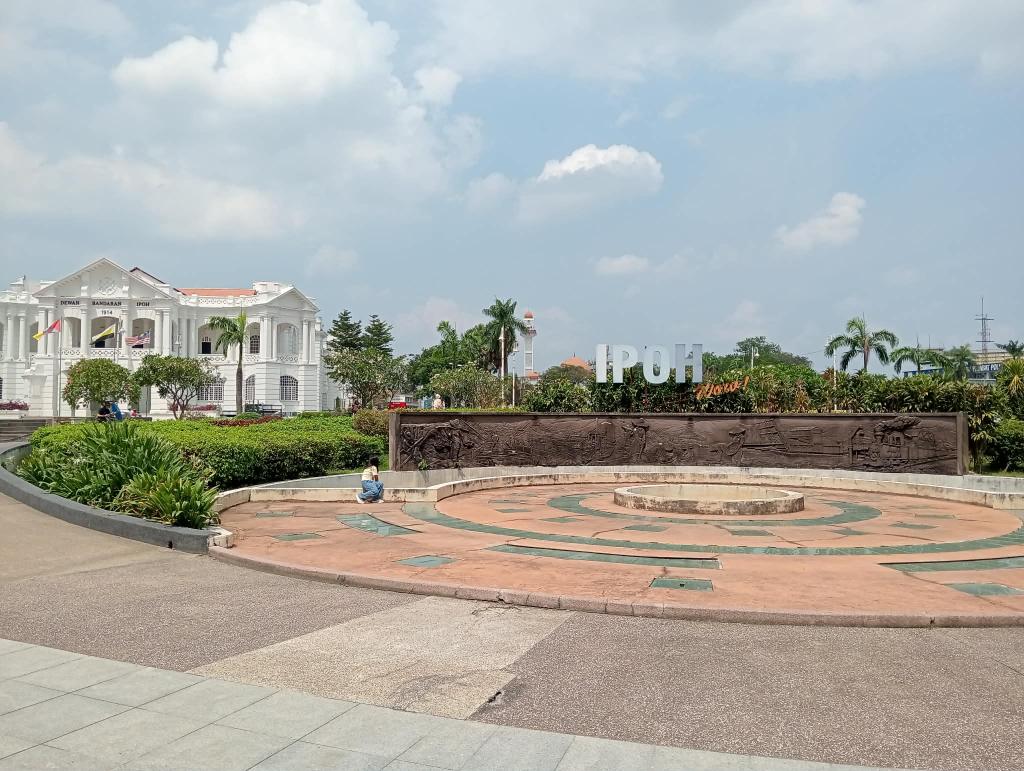
Ipoh is a three-hour scenic train ride from Kuala Lumpur. The city is visibly slower-paced and less populated than Cebu. Its train station opens up to a park not unlike many plazas in small towns of the Philippines while its heritage city center (the “old town,” as it’s commonly called) was just over a square kilometer in area. When it comes to its place in Malaysia’s music industry, on the other hand, the similarities between the two cities are stark.
Like in the Philippines, attaining mainstream success in Malaysia’s music industry had traditionally meant trying your luck in the capital Kuala Lumpur where the business infrastructure, network, and capital naturally took root. Places like Ipoh were not supposed to become cultural hotbeds.
Despite this, Ipoh’s underground music scene, which had existed since as early as the mid-1980s, achieved an enviable level of vibrance and engagement from audiences not just locally but from all over Malaysia. By all accounts, it became ground zero for an indie rock fever that would grip many parts of the country from the late 90s to the late 2000s.
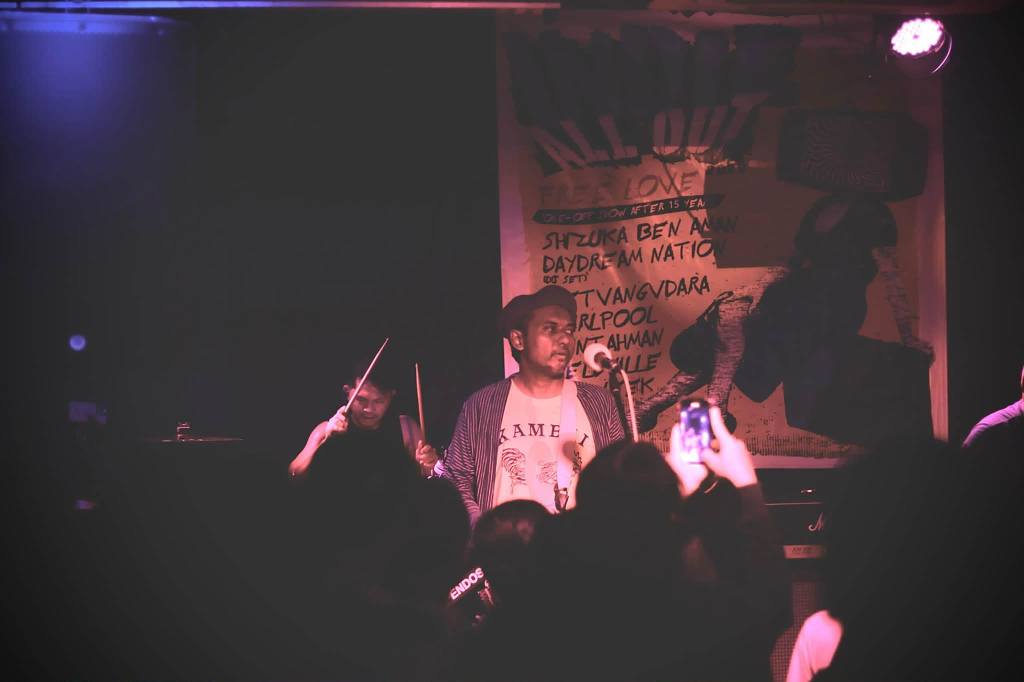
Jay was there. He lived through the rise, peak, and eventual slowing down of Ipoh’s indie rock explosion. He was a founding member of Free Love, a lo-fi noise pop band that was an early roster member of Ipoh’s now iconic indie label Bodysurf Music. The label itself was founded by the alternative band Muck, another key figure in the city’s musical history.
The rise of the Ipoh Sound
The city’s claim to fame was the so-called “Ipoh Sound,” recognized by no less than UNESCO in its naming of Ipoh as a Creative City for Music. The recognition rested on the back of Ipoh’s independent rock scene but, a bit ironically, came long past the peak of the phenomenon. As Jay shared, the term “Ipoh Sound” was originally coined by a local publication over 23 years before UNESCO would adopt it in its official statement.
The tag itself might be slightly misleading. Listening to key releases from this era, it’s immediately apparent that there was no one “sound” that defined this time and place, only a broad categorization of indie rock. For instance, Free Love’s esoteric grooves and arrangements are in a class entirely different from Muck’s lo-fi alternative rock inclinations. Yet both co-existed in the same space. The “Ipoh Sound”, perhaps, refers more to the movement and the spirit of the time rather than actual sonic similarities.
To the group I was spending the afternoon with, the Ipoh Sound was simply their city expressing itself the only way it knew how. “We never tried to appeal to mainstream tastes or follow what bands in bigger cities like Kuala Lumpur were doing,” Jay said. “We did our own thing and people loved it.”
According to Jay, a turnout of 300 people at a local show during the scene’s heyday could have easily been considered a disappointment. When asked whether most of the audience at that time was local to Ipoh, he proudly shared that it consisted of people from all over the country, especially from northern Malaysia where the music scene was not quite as prolific at the time.
As bands all over the world are keen to do, Ipoh’s rising stars would eventually break out of their local borders to take their show on the road. “Bands from Ipoh would tour the country, one bus for the artists and another bus full of fans, many of whom we didn’t even know.”
The rebellious spirit and the rough edges represented by the movement was what drew people into the music. “Our music was dirtier, less perfect and more sloppy,” Jay said, when I later asked him about his thoughts on why people gravitated towards their scene. “We were just like anyone else who wasn’t in a band.”
Like all things, however, this popularity would eventually decelerate. From Jay’s point of view, this was a result simply of shifting tastes and evolving sensibilities. The next generation of audiences found shiny new things to enjoy and the Ipoh Sound eagerly retreated to its underground roots.
Two Nations
As much as I enjoyed exchanging notes about the music scenes in our non-capital cities, the breadth of other similarities and contrasts between our two nations became more and more central to the conversation. We talked about everything from Maphilindo and its fall due to territorial disputes, to the “stateless” communities living on the islands between Sulu and Sabah. I was more surprised than I probably should have been to learn that Jay had actually spent time in those very islands, immersing briefly with the people living there. “They really had no idea whether they were Filipino or Malaysian,” he shared.
As we left Pedro and sat at the food park across the street to enjoy a refreshing lien chee kang (Jay’s favorite dessert, as he was quick to point out), the topic veered towards the general relationship between people in Ipoh and the rest of the country. As far as Jay was concerned, there was never a sense of rivalry or competition, much less animosity.
“People from Ipoh are very laid back,” he said between spoonfuls of shaved ice and quail eggs. “They don’t bother with comparisons to other places.” Based on the short time I had spent with this group, that was just about what I expected to hear.
Still around, still making noise
These days, the music scene in Ipoh may no longer attract the same throngs of people it did at the peak of its popularity, but it remains alive and well.
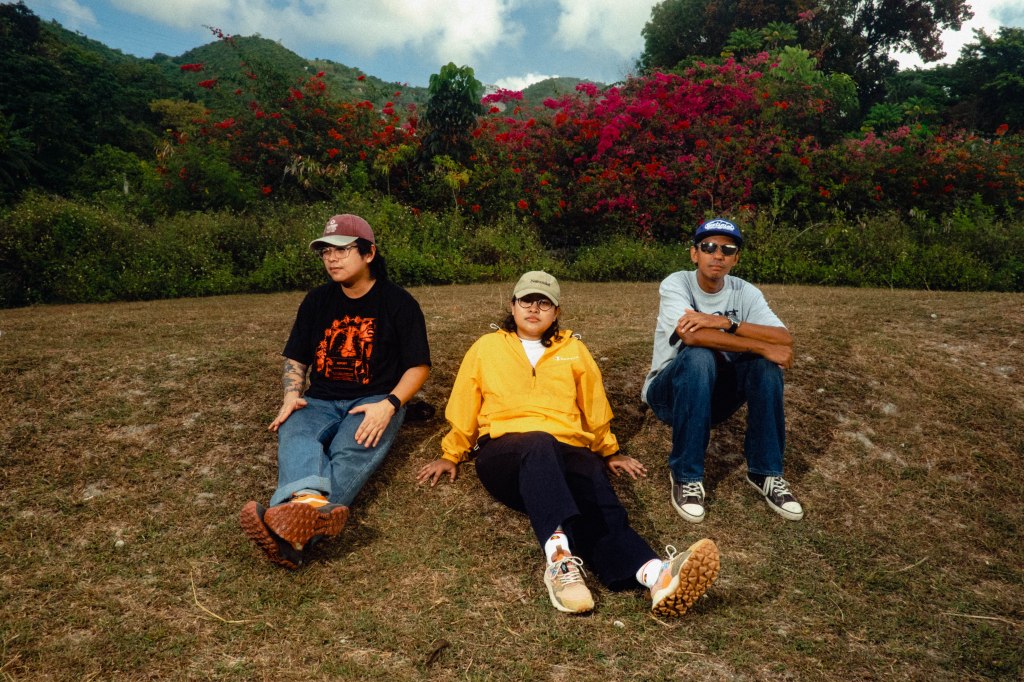
A few days after I had come home to Cebu, posters for shows at Pedro set for as far out as August ran through my feed. Bodysurf continues to release music, primarily from its founding band Muck. As his alter ego Joni Mustaf, Jay continues to experiment and push the boundaries of music in pursuit of artistic satisfaction. S. Razali, whom Amar plays bass for, is one of the youngest acts currently reshaping the Ipoh sound and Jay’s personal favorite local band at the moment.
From the outside looking in, it seems to me Ipoh’s independent music scene is still in the place where it has always been, expressing itself the only way it knows how.