“Everybody say the fucking words!“
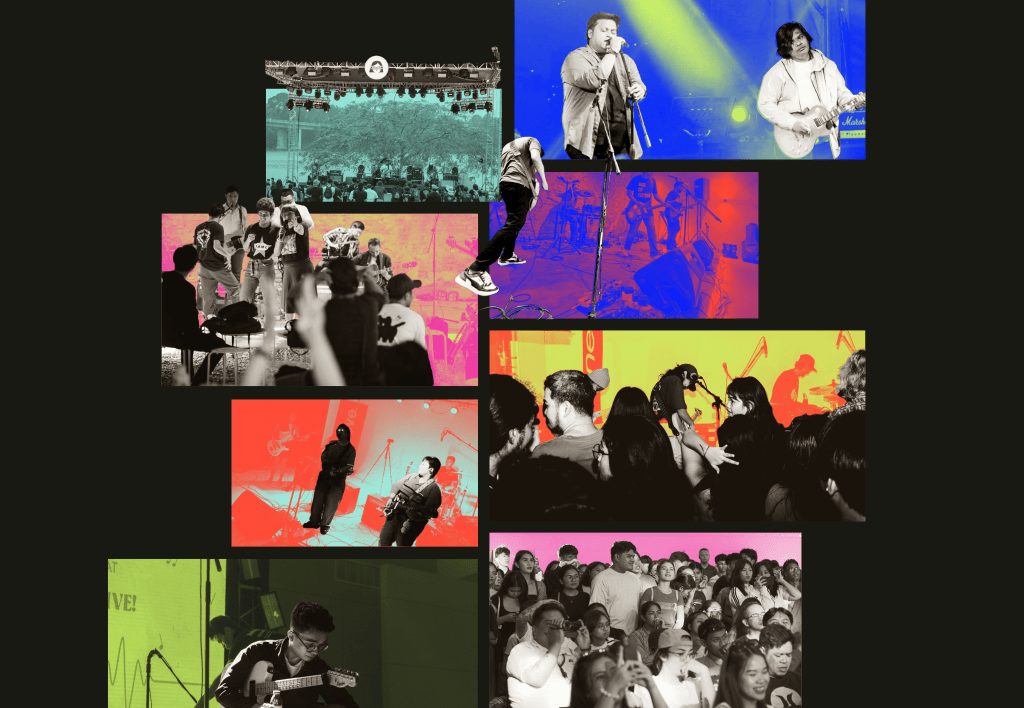
Bodies race towards the front of the stage. Frontwoman Irish Alcano holds her arm out — seemingly anticipating what’s coming next. A mess of hands immediately lunge forward, clawing their way to the mic. The energy is electric; the sweltering heat in the room makes the drops of sweat feel like rain; and by the time drummer Arxan Estoque chokes the cymbal, the room erupts into a singular refrain:
“Get fucking stabbed, bitch!”
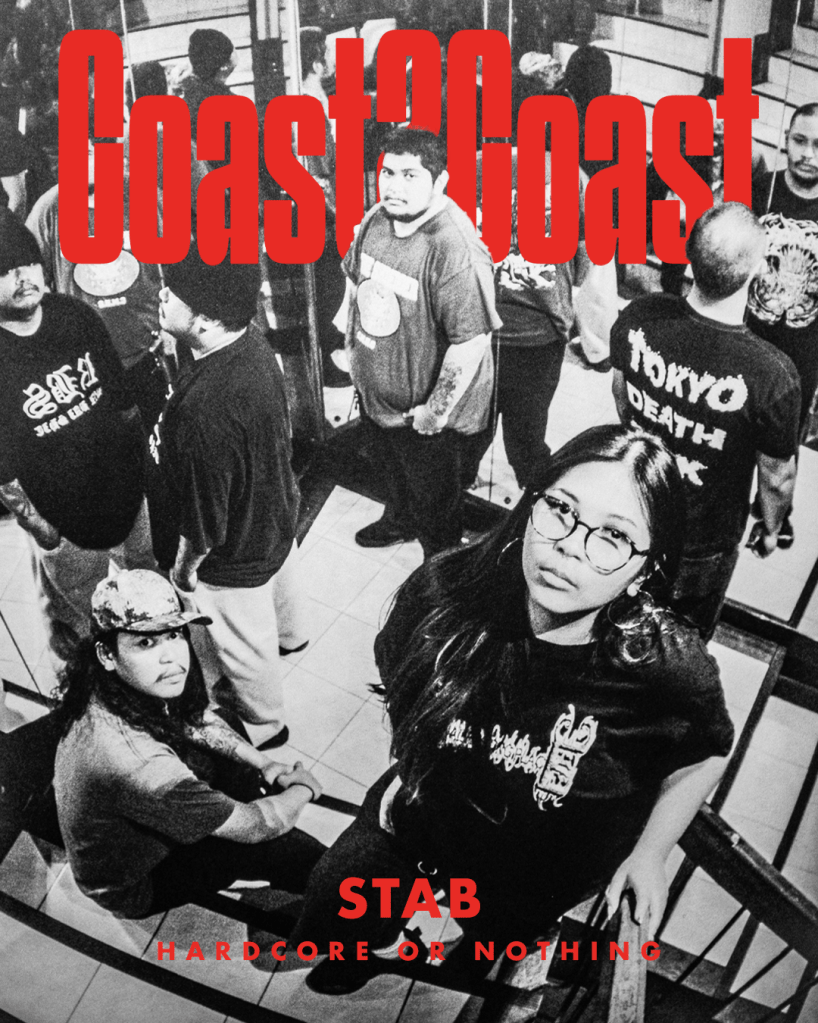
It is a refrain that has seen the smallest of rooms and the largest of indoor festival stages. From being the sole Filipino act on the lineup for the inaugural BORN TO WRECK festival in Singapore earlier this year to taking over the stage at the recently concluded Pilipinas Hardcore Fest, it seems like the Cebuano metallic hardcore five-piece are far from slowing down.
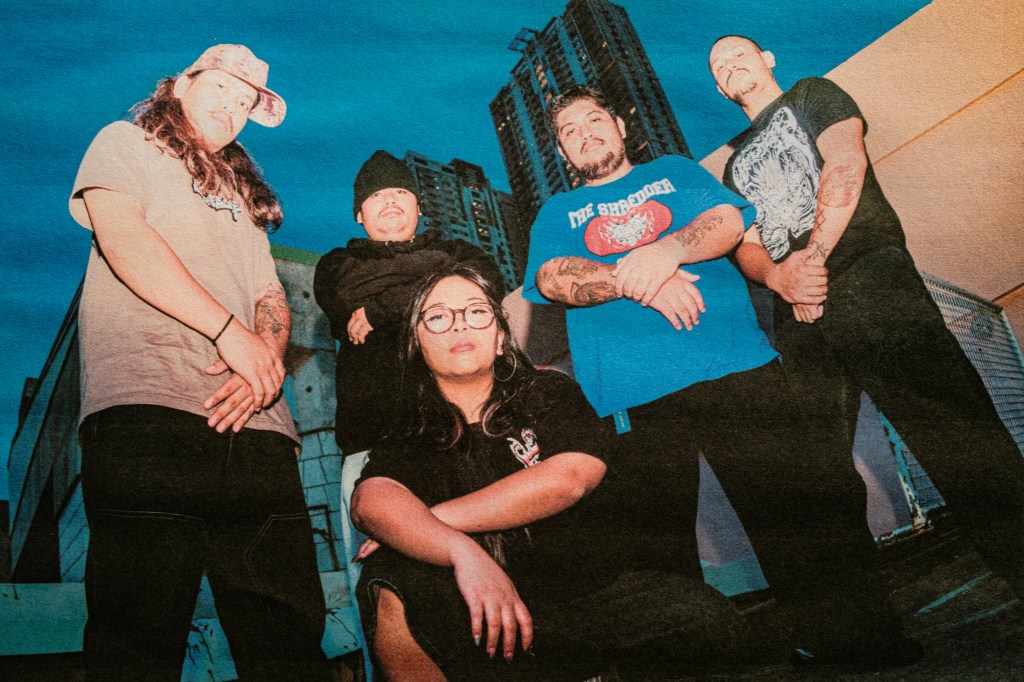
Composed of Arxan Estoque on the drums, Bo Sampelo and Jofel Tamayo on guitars, Daryll Salazar on bass, and Irish Alcano on the microphone, STAB made their debut in 2024 with “Watchyoudie,” a genre-bending track that pulls elements from metal, jungle breakbeats, and hardcore. It showcased a peek into what would become the band’s signature sound.
But how do you make a signature sound when all your members are part of different bands and side projects? While STAB. is relatively new, all five of them are or have been involved in various projects not just in the local hardcore community, but in the indie scene as well.
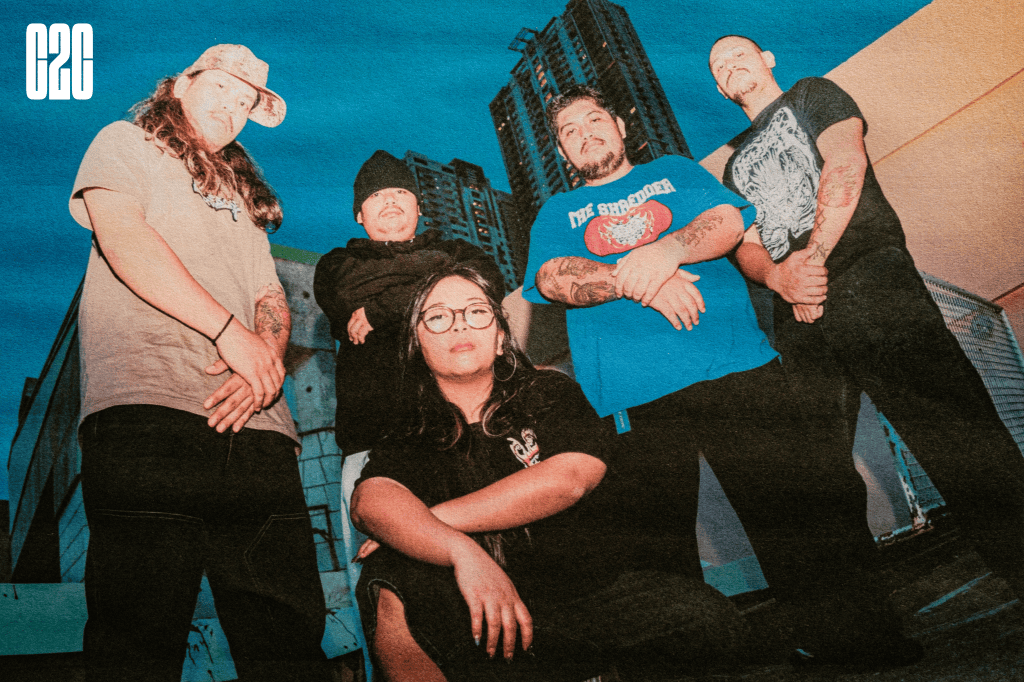
“Usually, our sound has a specific type of branding. [We really lean into] dissonance,” Salazar says in a mix of Bisaya and English, in an exclusive interview with Coast2Coast. “If naa mi other bands, dili namo butngan ana nga chords kay pang-STAB. na siya (If we have other bands, we don’t use the same chords because it’s for STAB.).”
Aside from dissonance, Alcano shares that the “STAB.” sound also involves her vocal arrangements — she likes anger-filled vocal runs, as well as variations in delivery. Salazar, who is the main songwriter for the act, goes on to share that in terms of songwriting, the members of the band bring together their references and he, in the band’s own terms, “STAB.-ifies” it.
“We also want to adapt to the modern version of hardcore,” Alcano continues. She goes on to explain that if the Cebuano hardcore sound that dominated before was simple and fast, STAB. leans heavier into metallic hardcore. “I also wanted to showcase and embrace being a woman [in hardcore], which isn’t as common here.”
Sampelo, who also mixes and masters their releases, shares that their debut record, wounds of fury was his first try at learning production alongside the mixing and mastering process. “It’s mostly trial and error. Akong ipalisten nila ang akong mga drafts, and if naay need i-improve, mangita ko’g lain nga approach (I let them listen to my drafts, and if there’s something that needs to be improved, I look for a different approach).”
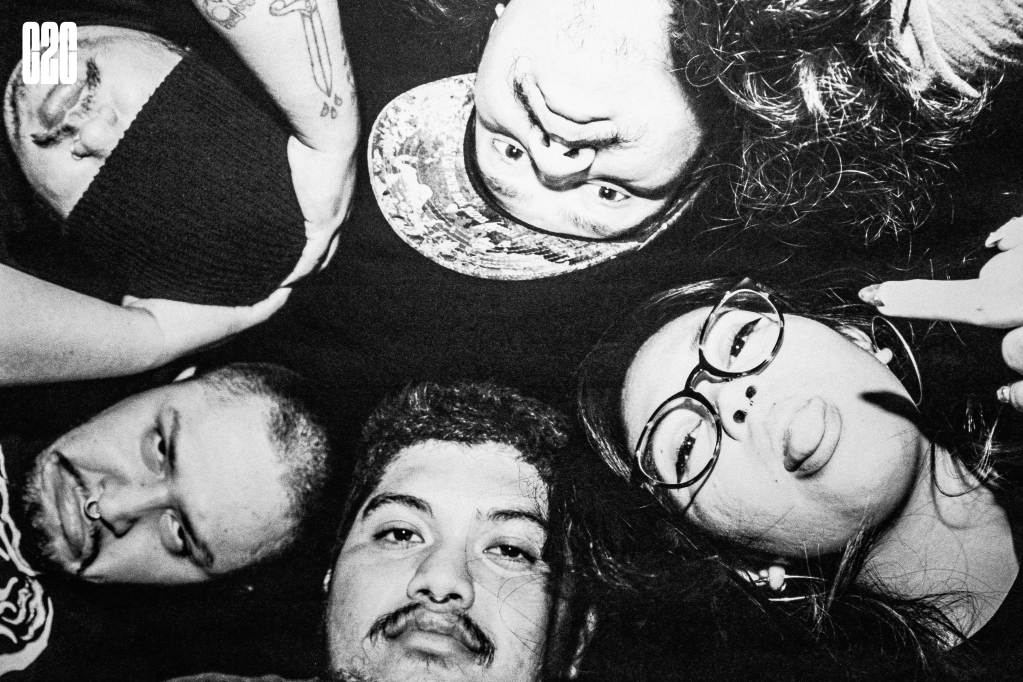
Clearly, it’s a sound and process that is forged collectively, as the band only ever write songs when they’re together.
“Mag-studio gyud mi,” Alcano explains. “Para mag-start mi from scratch. Actually si [Salazar] ang mu make sa backbones sa song, unya [everyone] gives ideas sa unsa’y pwede ibutang ug sa [arrangement].”
(We really book a studio so that we can start from scratch. Actually, Salazar is the one who makes the backbones of the song, and then everyone gives ideas on what else can be added and with the arrangement as well.)
“If wala ang usa, wala pud mi ma-come up (If one of us isn’t there, we can’t come up with anything),” Estoque jokes.
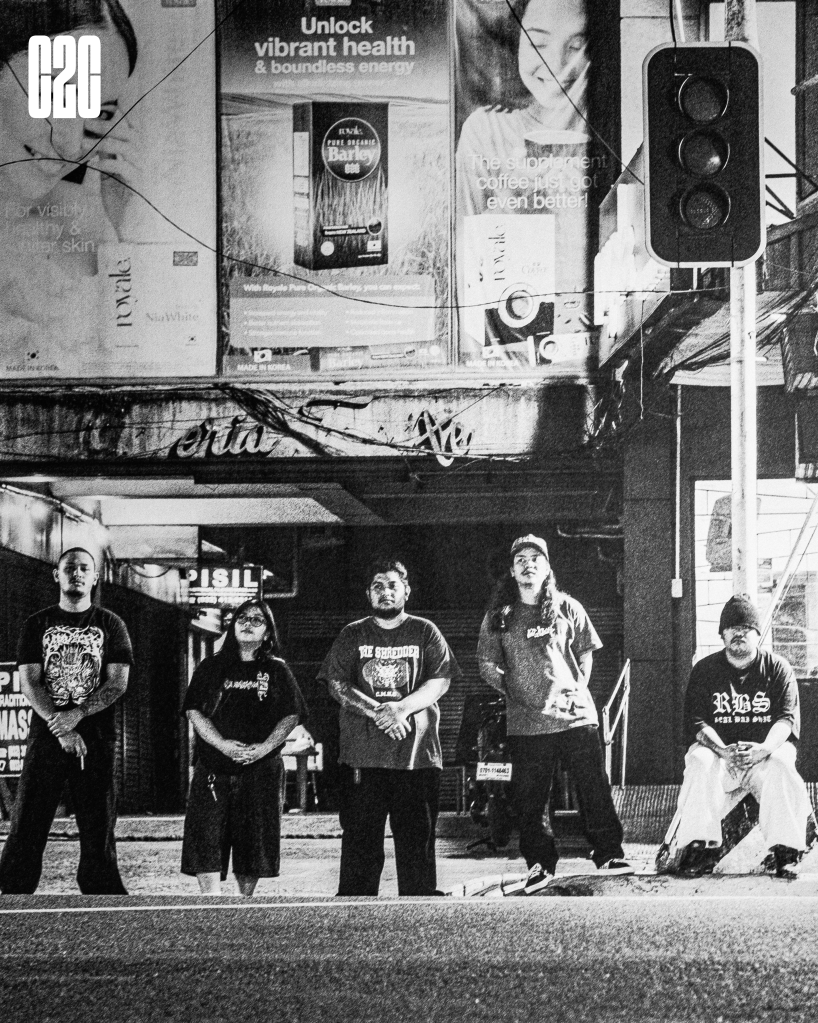
It’s an expensive process, the band admits, but they prefer sitting down in a room together to hash out the songs, making sure that everyone is involved.
This spirit of collaboration goes beyond the walls of the studio. Beyond the sound, what makes STAB. distinct is the unique visual identity they’ve crafted for themselves— they’ve dropped multiple merch lines (no reprints) over the past two years, such as jerseys with “JUANA OSMEÑA HARDCORE” splayed on the back or tongue-in-cheek shirts with prints like “HARDER THAN YOU.”
Alcano, who mostly makes the band’s designs, says the practice is rooted in DIY underground culture. Making merch is what makes the music possible. “Merch is the currency,” Alcano shares, as she goes on to explain that it’s through designing merch that the band is able to travel to perform, book studio time, and everything in between.
“Today, hardcore is very fashion-centered, in a way,” she adds, in a mix of Bisaya and English. “Your music is reflected in the merch. We wanted to incorporate the way we sound into the designs, as well as our identity as a band — we’re not the serious [type]. We like adding humor into our [designs].”
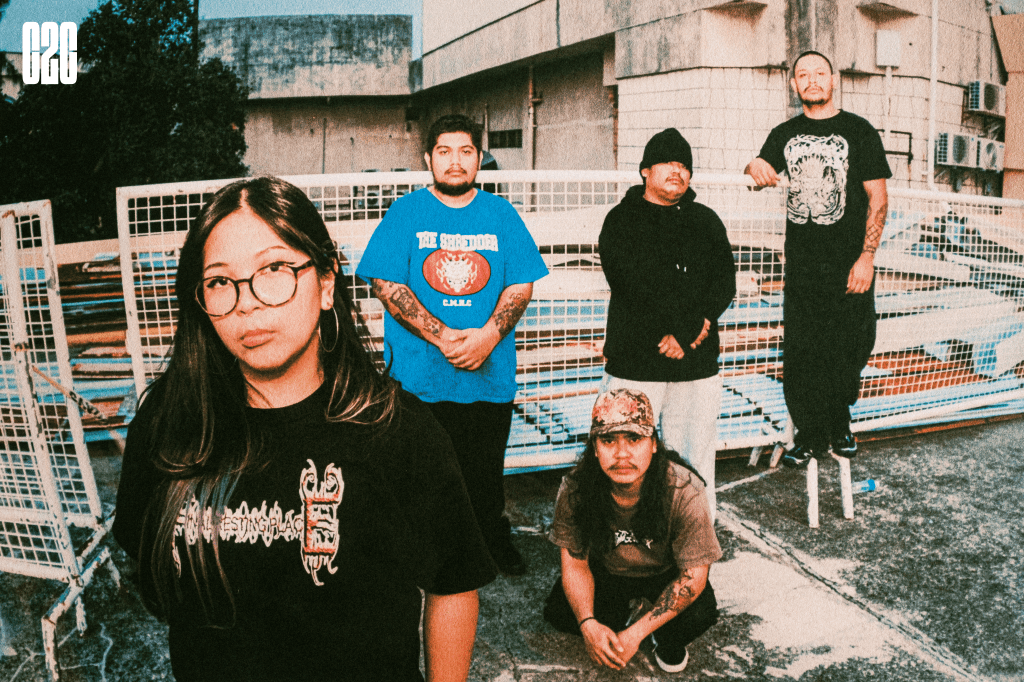
In the same spirit of counterculture, the band continues exploring their visual identity beyond the standard shirts: keychains, sticker packs, jerseys. “Hopefully, we get to expand it in the future.”
That’s why if you look around Cebu’s scene, you’ll probably spot a college student sporting a STAB. shirt or two. The band has become an act that people don’t just listen to, but follow — especially among younger generations of scene kids.
It’s a result of the online platforming of hardcore as a scene, aesthetic, and way of life. Videos of moshpits go viral. Tutorials on how to “dress alt” pop up every day. As the hardcore scene continues to enter mainstream territory, one can’t help but think about how the culture will adapt to this newfound popularity.
“Hardcore is really getting popular,” Salazar says in Bisaya. “There’s nothing wrong with people joining the scene, but it’s important that they know the ideologies that shape DIY and hardcore. It’s not just about wanting to hurt people in a moshpit; which isn’t the point of moshing. They have to learn what the rules are when it comes to how to act in gigs.”
Alcano adds that it’s a good thing that the Cebu scene is growing, thanks to productions like Hostile Youth. “This year was really big for the scene…almost all shows were fully packed. Everybody’s always moshing. When we started out, it wasn’t like that. We’re always seeing new faces with every show, especially kids! You can’t help but think but, ‘oh, I think this person is a minor.’”
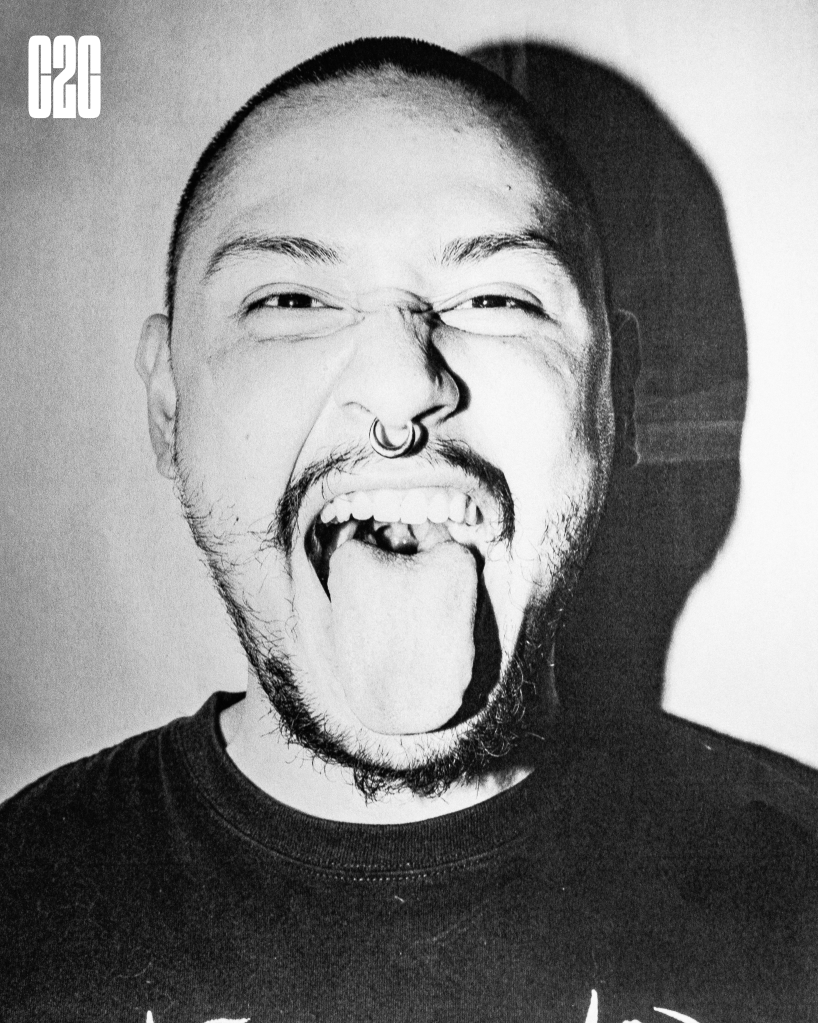
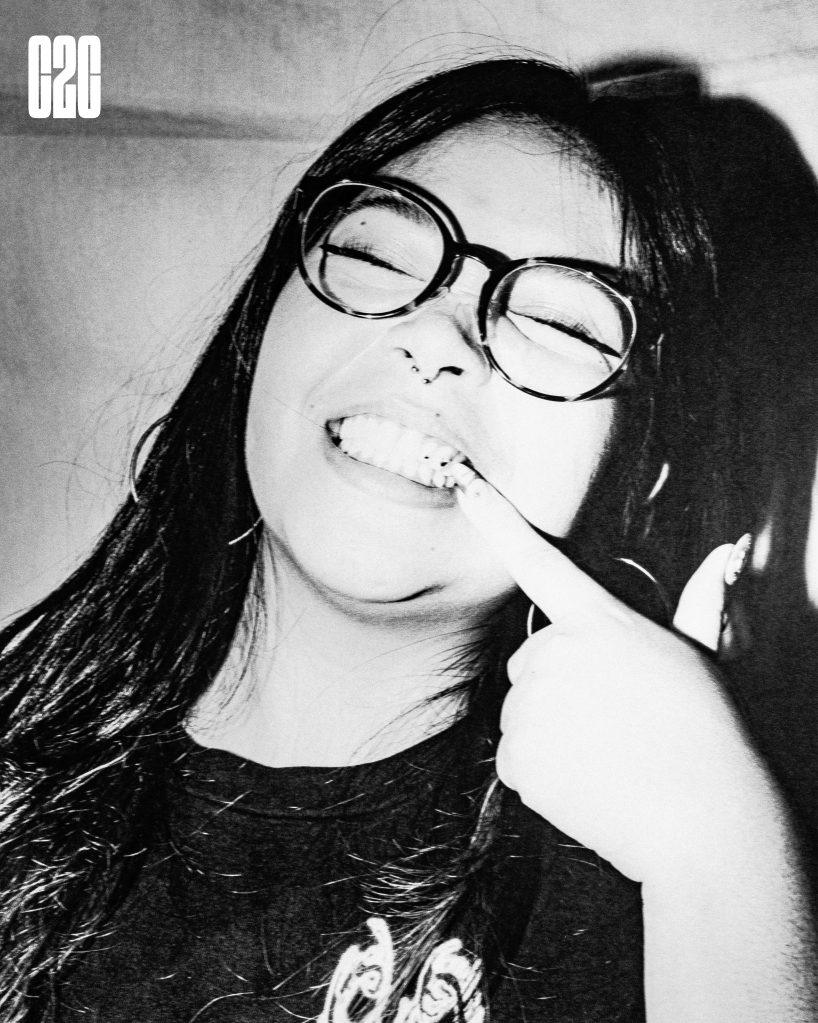
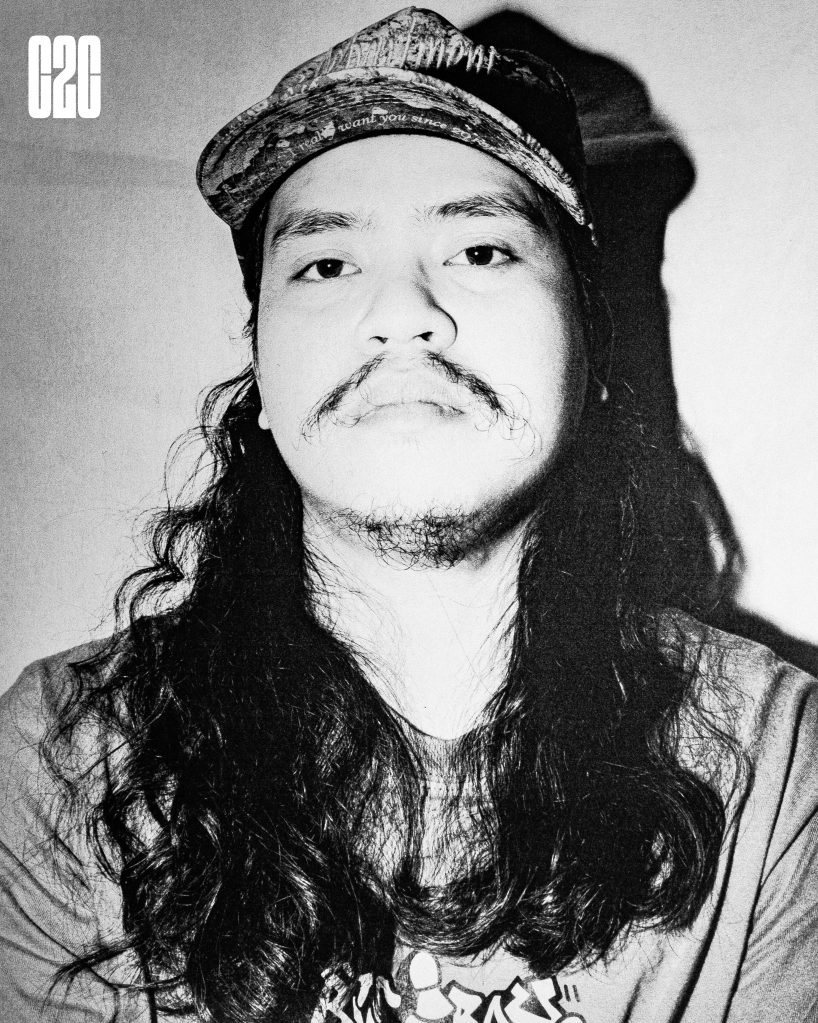
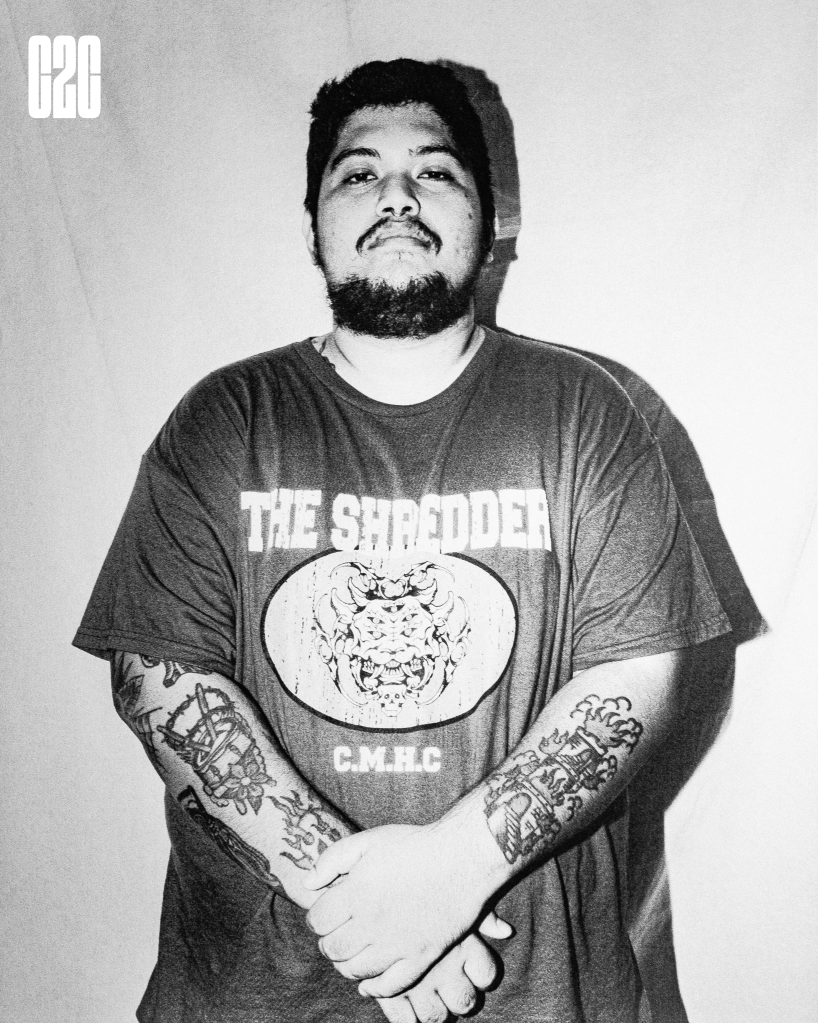
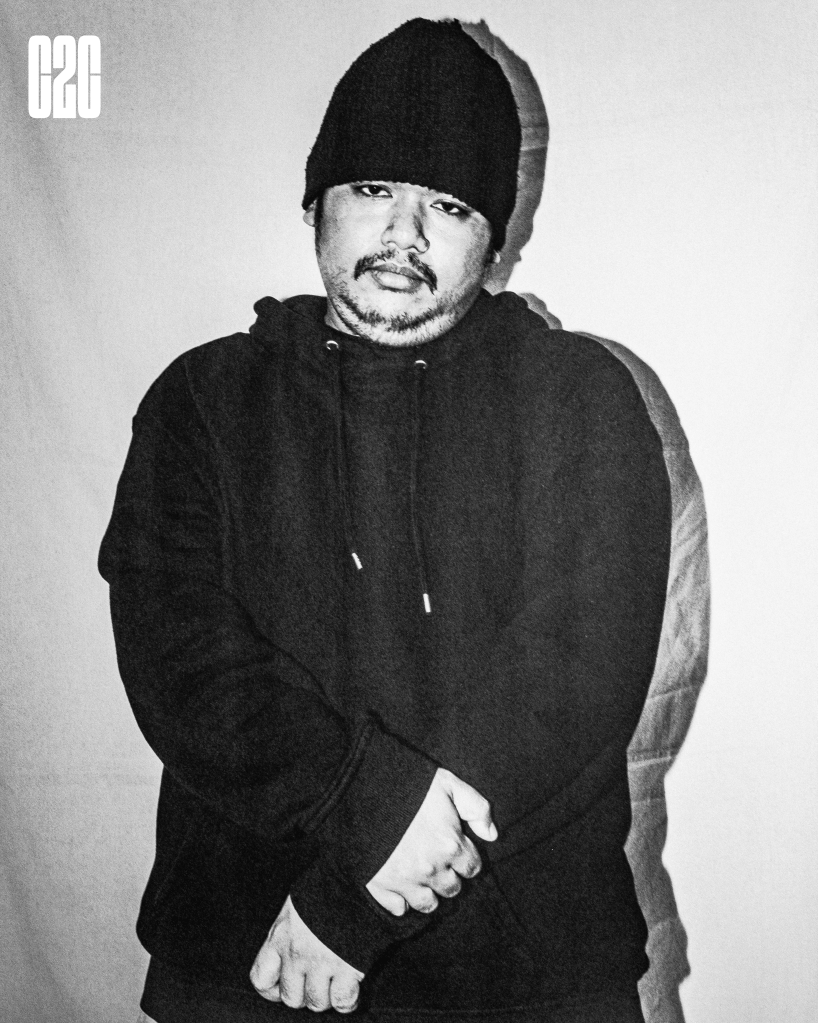
“That’s the thing that we love most about hardcore — no matter how old or young you are, everybody is welcome. But at the same time, hardcore isn’t for everybody. It’s such a niche thing; if you’re an outsider, looking at a hardcore moshpit, it really looks violent and scary. You don’t know what these people are doing. It’s kind of something that you have to understand so that you know why we’re doing what we’re doing. Mosh culture is a big part of hardcore, it’s a way to express ourselves.”
Alcano continues, saying that as much as they love new people coming in, it’s also important that these young people should be educated — and should be open to being educated in the first place. Open-mindedness is important for those trying to enter a scene.
“This has been happening for years. There’s a lot of history in the scene. It’s important to learn that history, form relationships with people who are behind the scenes, and to learn about the culture and respect everybody.”
For a band like STAB., the sky’s the limit. The five-piece are still in awe at how fast they’ve grown as a band, playing shows all over the country and Southeast Asia. If there’s any act that has put Cebu City — a “second city” in the country — on the map in recent years, it has to be them.
“We’re DIY and we take pride in that,” Alcano says. “Kami’y ga himo sa songs, sa merch, sa pag-record (We make the songs, the merch, the records)…it’s really something to be grateful for. Even if we’re a small band from nowhere, we’re thankful that it’s reaching people.”
Creative direction by Gre Erediano. Production coordination by Gre Erediano, assisted by Nikki Diores. Photography by Mata ng Isda, assisted by Denise Macatangay. Art direction by Kara Angan. Story by Kara Angan. Coast2Coast, August 2026.